

Designing and manufacturing custom mechatronic prototypes demands a rigid, versatile prototyping workshop. While functional 3D printing using engineering-grade polymers solves many mechanical challenges, subtractive CNC machining remains irreplaceable for heavy-duty structural parts—such as stiff suspension mounts, bearing housings, and precision-milled aluminum plates.
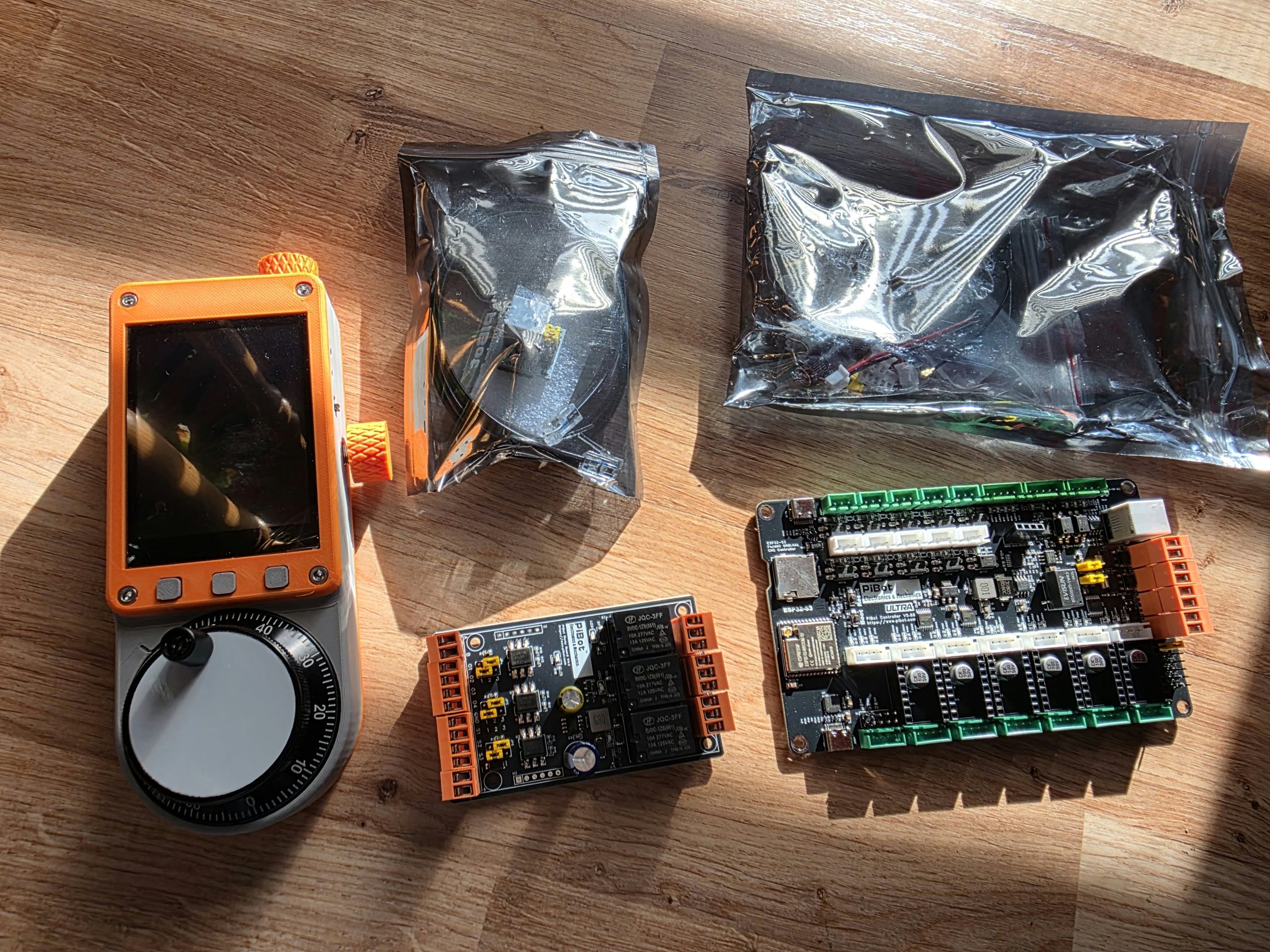
The mechanical assembly of my custom DIY CNC gantry router (built with heavy aluminum extrusions, HGR20 linear rails, and SFU1605 ball screws) is already fully put together in the workshop, awaiting wiring and electrical integration. Today, I am excited to reveal the motion control hardware that will serve as the electronic heart of this machine: an industrial-grade ecosystem provided by PiBot.
Workshop Roadmap: Finishing the Heavy Robot First
Before cable drag chains and control wires are routed across the CNC gantry, priority remains on finalizing our core mobile platform—the 100+ kg heavy-duty utility robot.
The robotic vehicle is currently in its final mechanical finishing stage. The welded steel chassis is undergoing weld seam grinding, thorough surface preparation, and panel fitting.
This robotic build will be the focus of the very next article on the blog—I will showcase the completed chassis fully coated in primer, present a comprehensive Bill of Materials (BOM) covering all mechanical and electrical components, and summarize the fabrication milestones achieved so far.
As soon as the robot rolls off the assembly bench, the entire workshop focus shifts toward wiring, configuring, and commissioning the CNC router.
The PiBot Motion Control Hardware: What’s in the Box?
Controlling a rigid CNC milling machine equipped with a 1.5 kW air-cooled spindle requires a robust, noise-immune electronics setup. In a workshop environment packed with variable frequency drives (VFDs), stepper motors, and switching power supplies, high resistance to electromagnetic interference (EMI), stable power distribution, and reliable logic isolation are vital.
The hardware package delivered by PiBot provides a turnkey, high-performance motion control backbone:
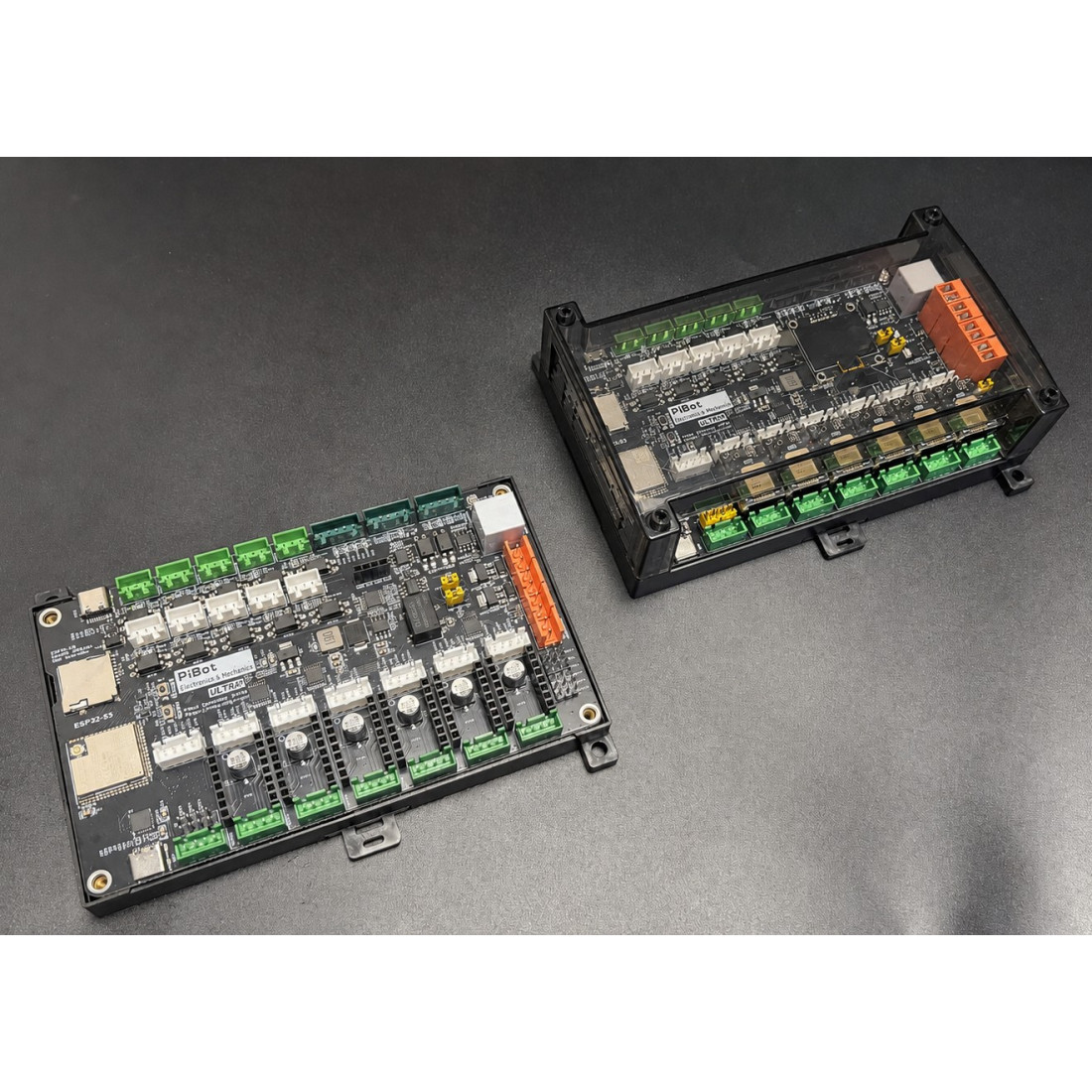
1. PiBot FluidNC grblHAL ESP32-S3 6+1 Axis CNC Controller V5.88 Ultra
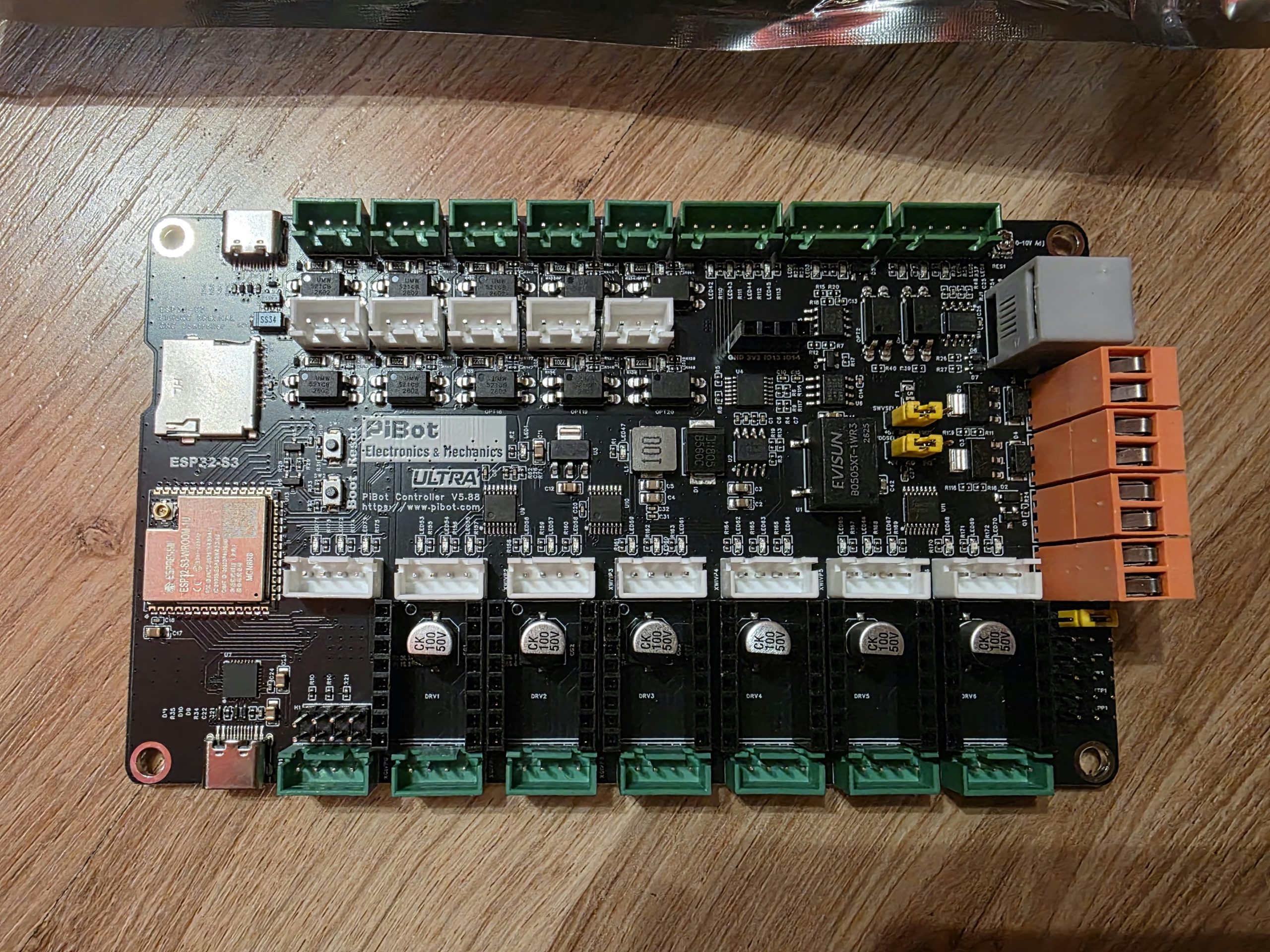
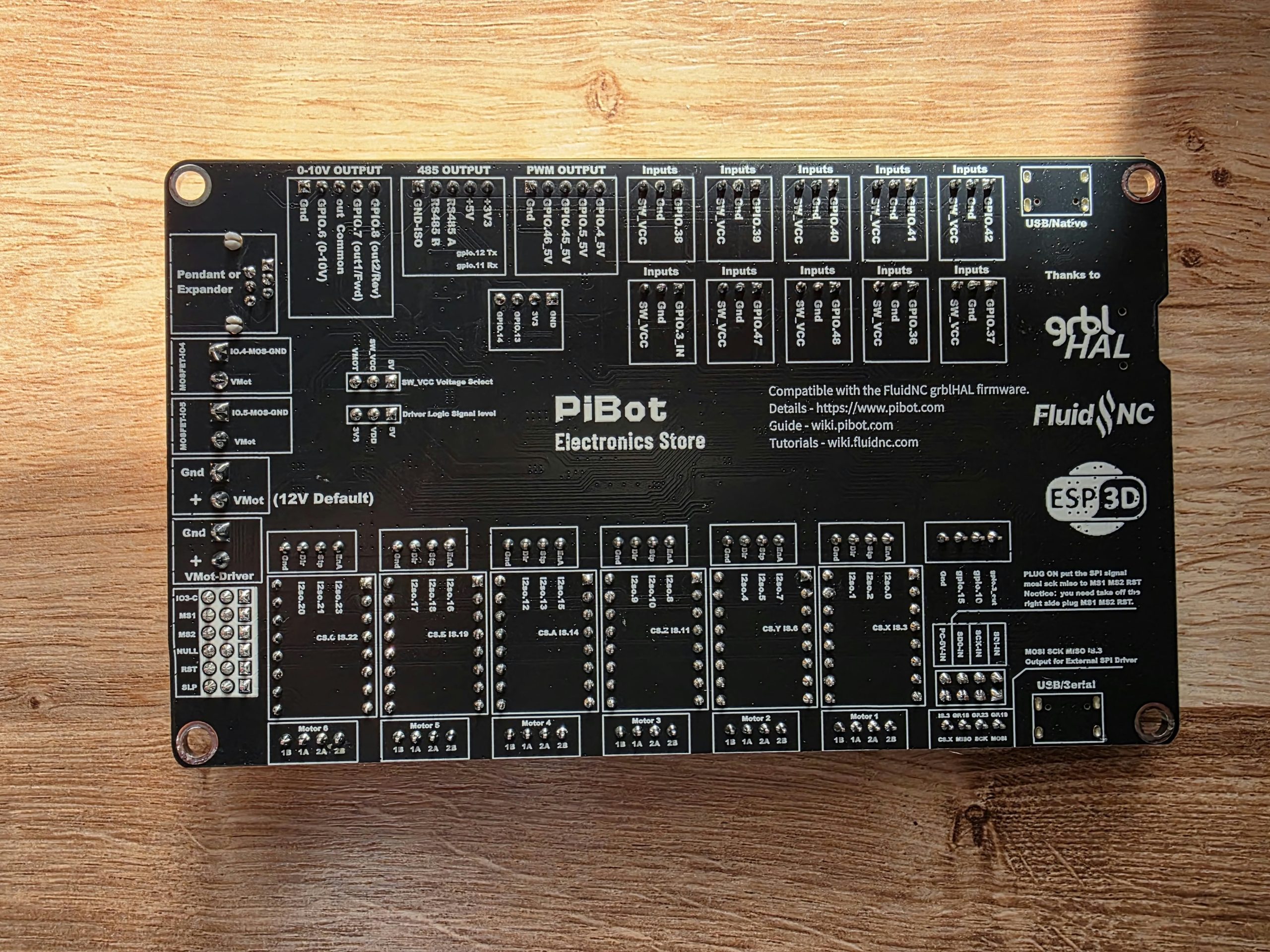
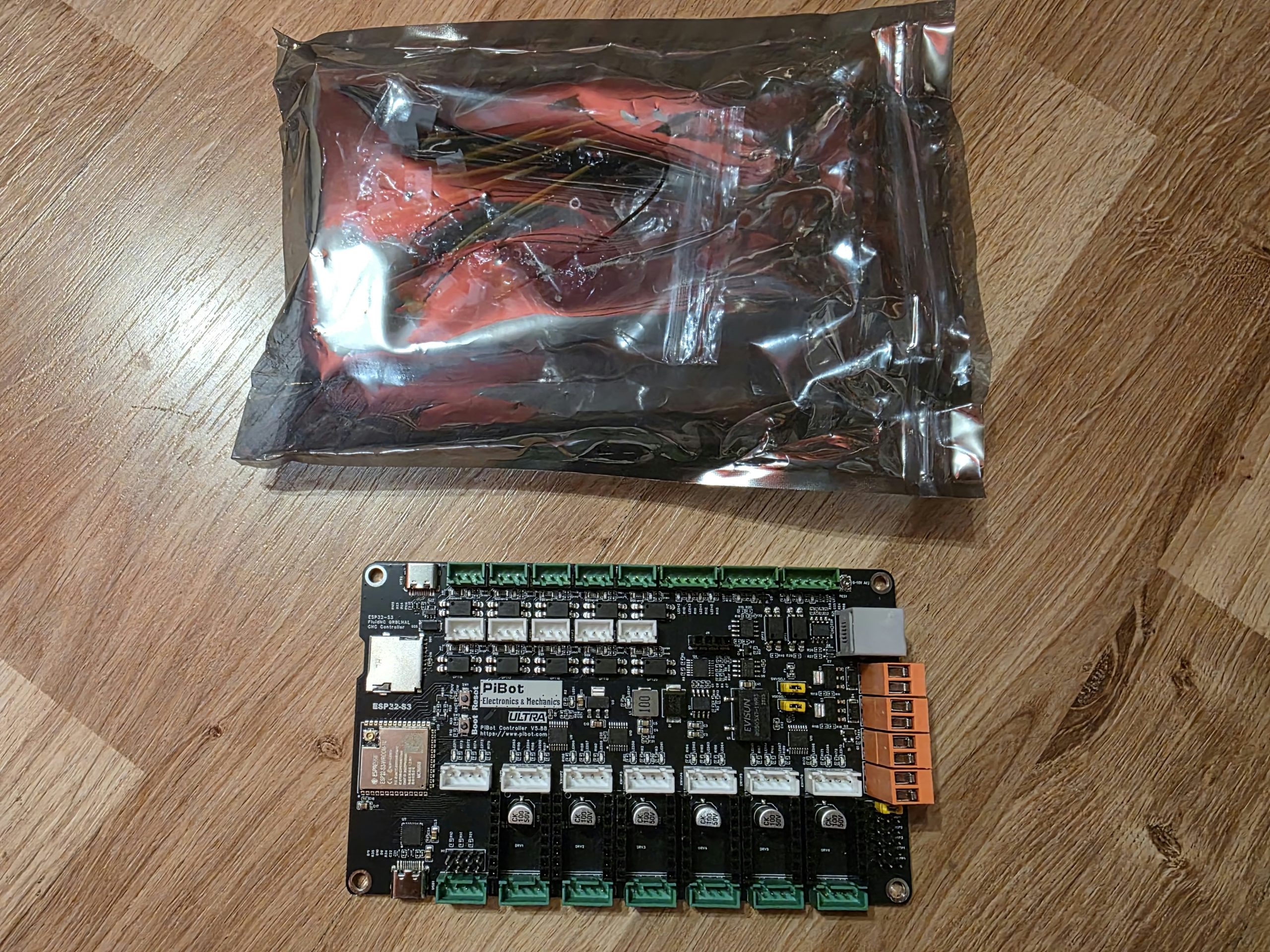
The main motherboard is an advanced controller designed for modern open-architecture CNC setups:
- Processing Core: Driven by a 32-bit dual-core ESP32-S3 microcontroller, providing extensive computing headroom, high step-pulse rates, and integrated wireless connectivity (Wi-Fi and Bluetooth). This enables convenient headless operation and file streaming via a responsive browser-based WebUI.
- Modern Firmware Architecture: Native, seamless support for FluidNC and grblHAL. Machine kinematics, pinouts, and axis parameters are defined cleanly through human-readable configuration files, eliminating the need to recompile firmware for routine calibration changes.
- 6+1 Axis Kinematics: Supports up to 6 independently interpolated axes plus an additional cloned/synchronized axis channel. In my configuration, this allows driving an
X, Y1, Y2, Zlayout with automatic gantry squaring across dual independent Y-axis limit switches. - Industrial EMI Hardening: All critical logic inputs and sensor lines feature hardware filtering and optical isolation, preventing false triggers caused by spindle drive noise and ground bounce.
- 1.5 kW Spindle Control: The board provides versatile spindle/VFD interfacing options, including standard 0–10V analog voltage, PWM signals, and an onboard RS485 transceiver. The optimal communication method will be determined during final control cabinet layout and enclosure wiring.
🔗 Hardware Details & Specs: Check out PiBot Controller V5.88 Ultra on PiBot Store
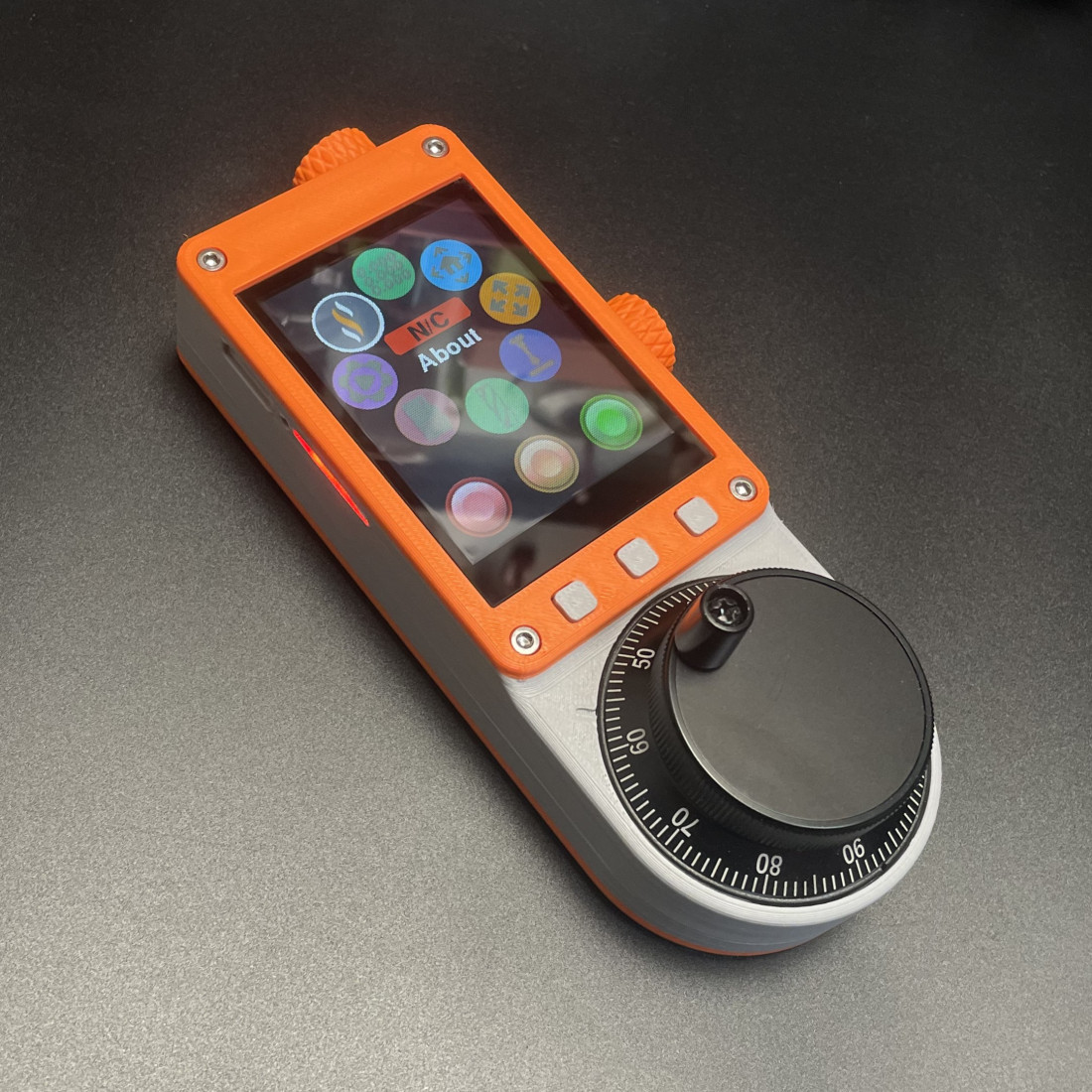
2. PiBot CNC Pendant V4.2 (Manual Pulse Generator MPG)
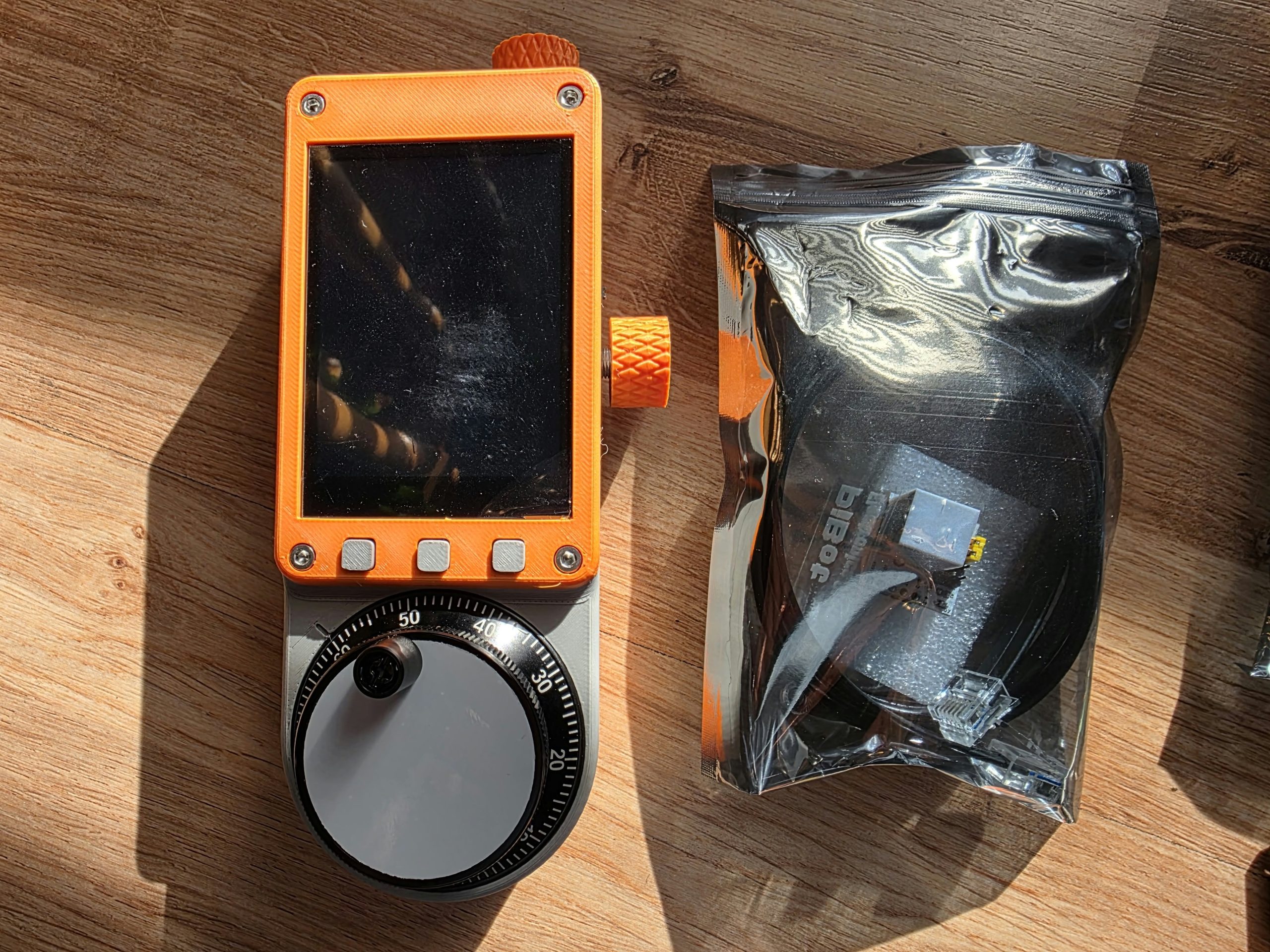
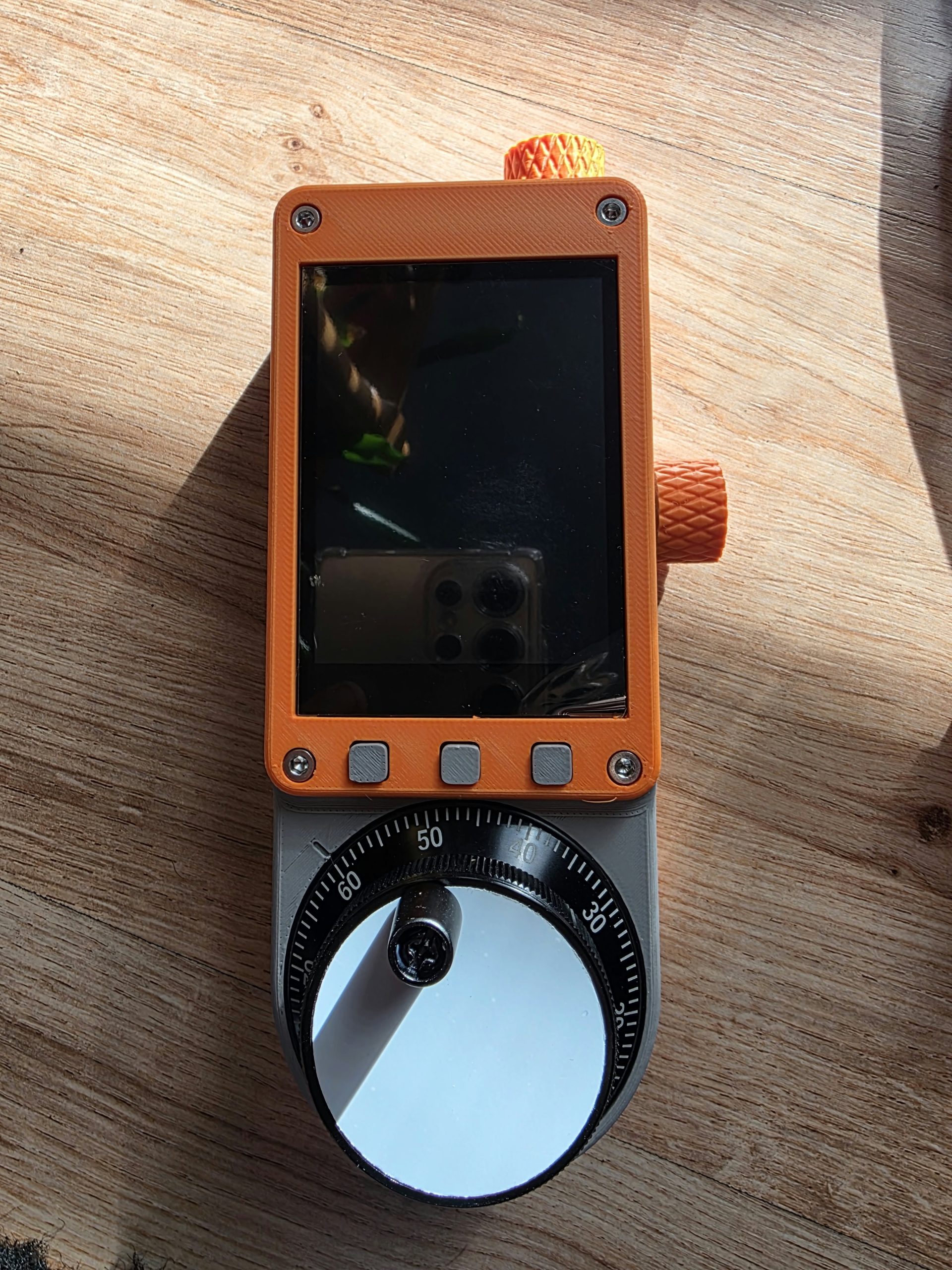
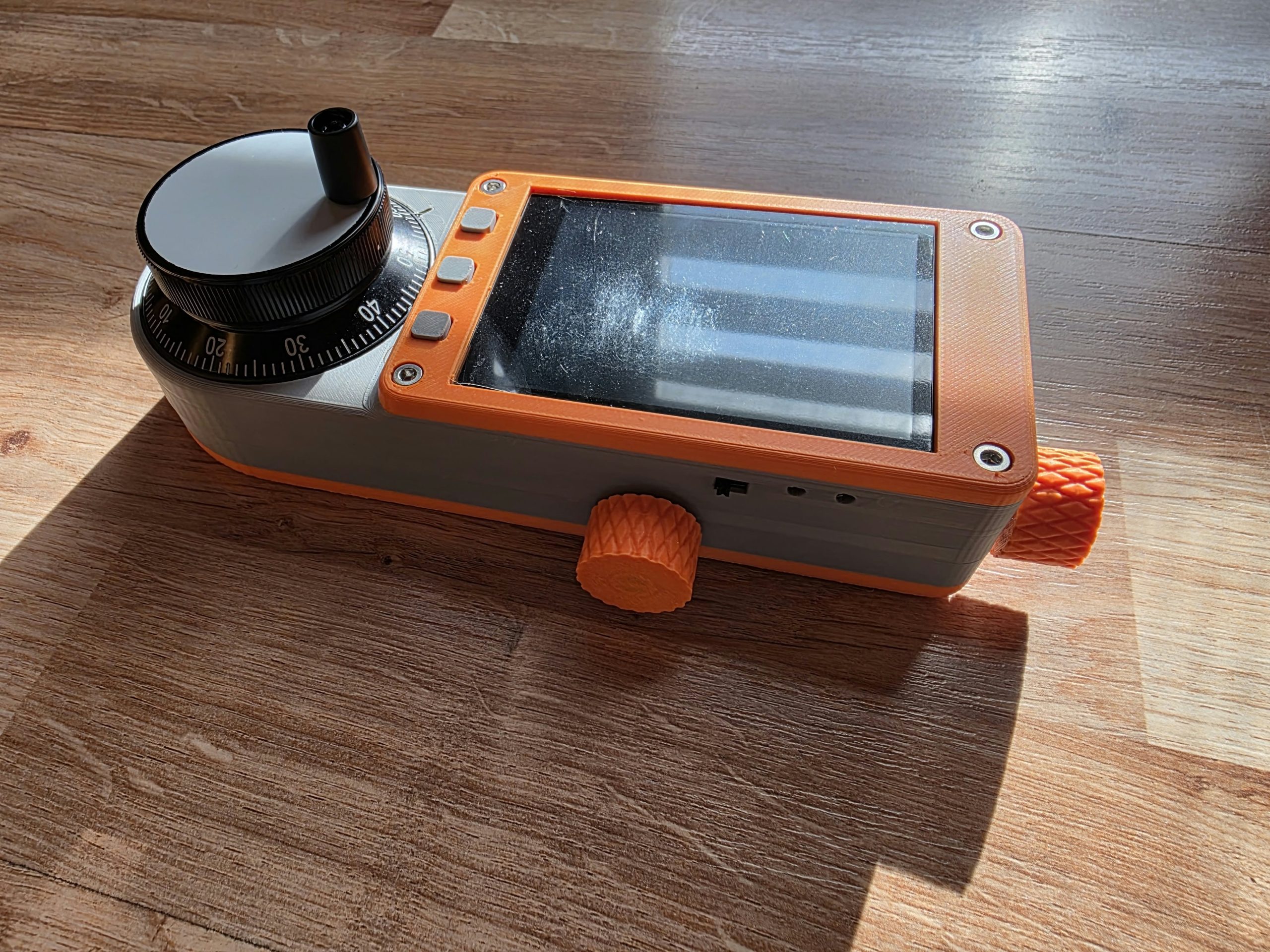
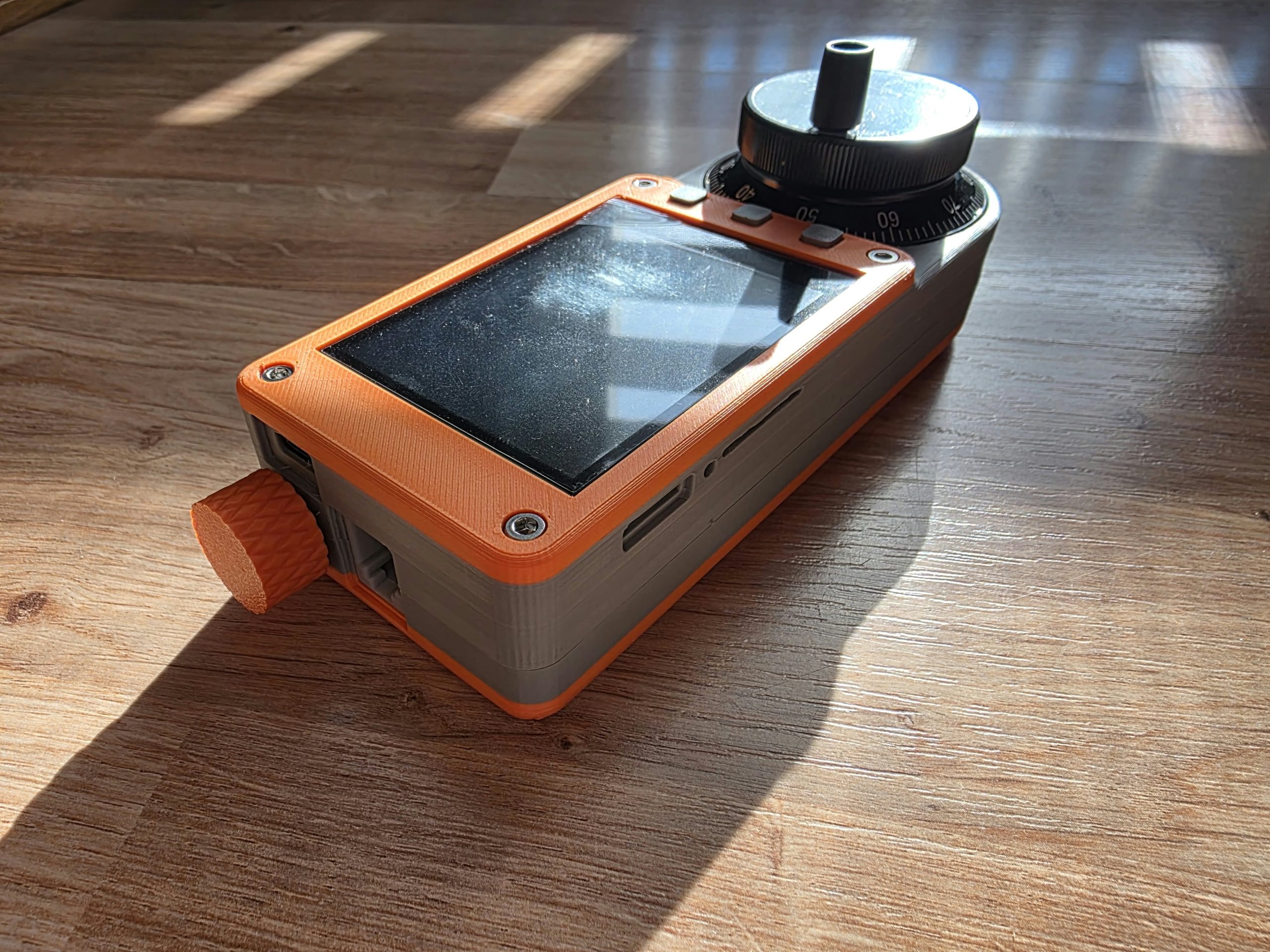
A dedicated manual control pendant significantly elevates workshop workflow and work-coordinate zeroing:
- Manual Pulse Generator (MPG): A tactile rotary encoder offering responsive manual jogging down to fractional millimeter increments (
x1,x10,x100steps). - Axis & Feed Control: Rotary selector switches for choosing the active motion axis (
X,Y,Z) and controlling jogging feedrates. - Safety & Program Routines: Features an integrated emergency stop button (E-Stop), axis zeroing shortcuts, and cycle control keys (
Cycle Start,Pause / Feed Hold). - Direct Hardware Link: Connects straight to the controller interface, delivering zero-latency manual movements without the input lag often experienced over generic USB software remotes.
🔗 Hardware Details & Specs: Check out PiBot CNC Pendant V4.2 on PiBot Store
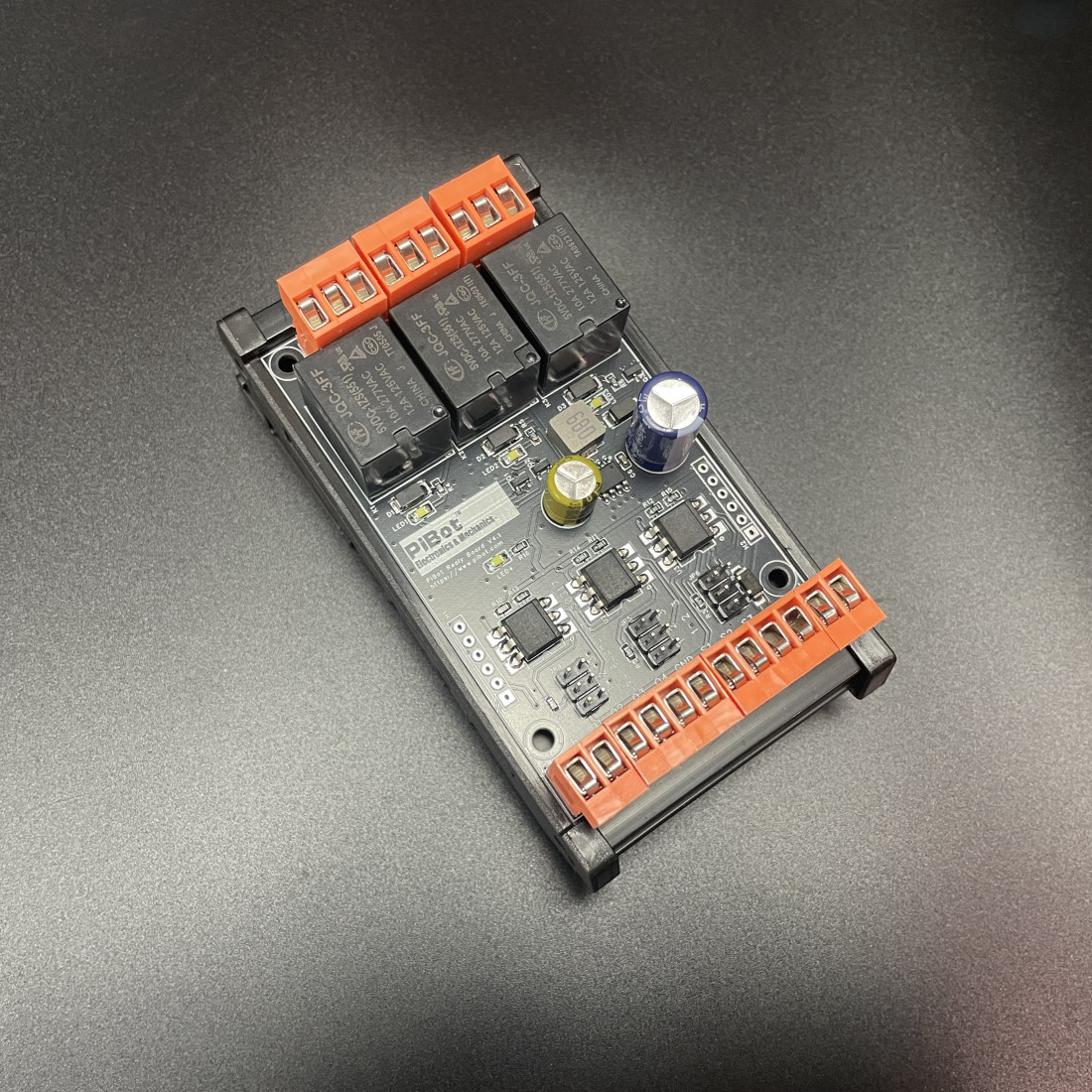
3. PiBot IsoSwitch V4 (Opto-Isolated Endstop Sensors)
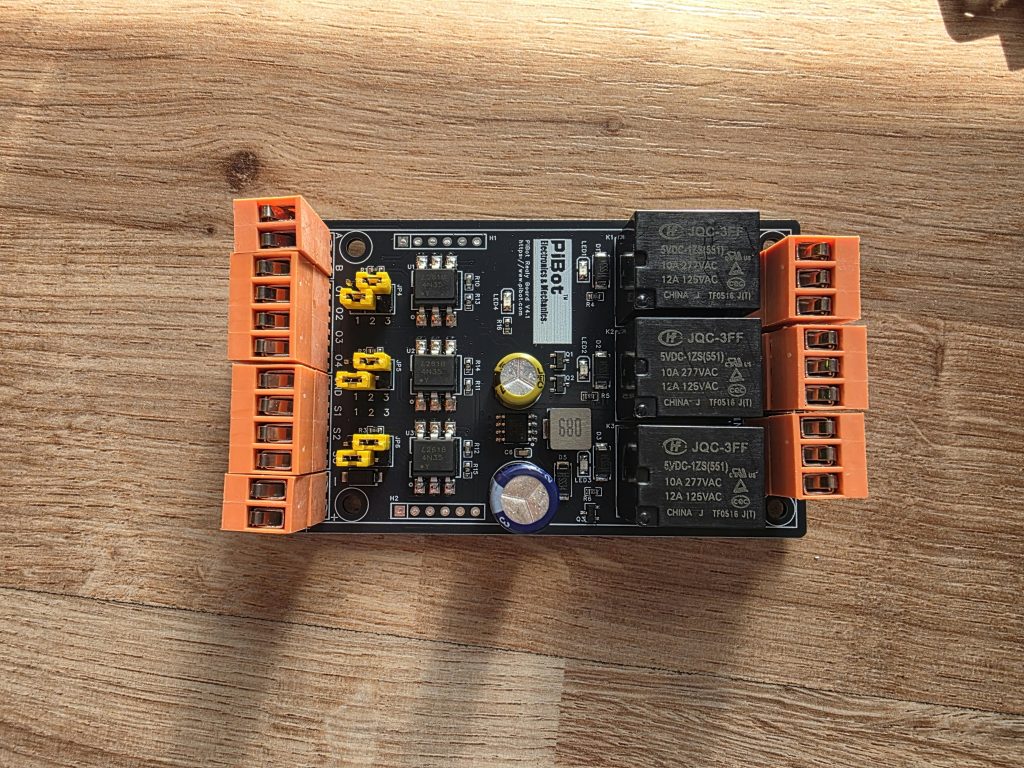
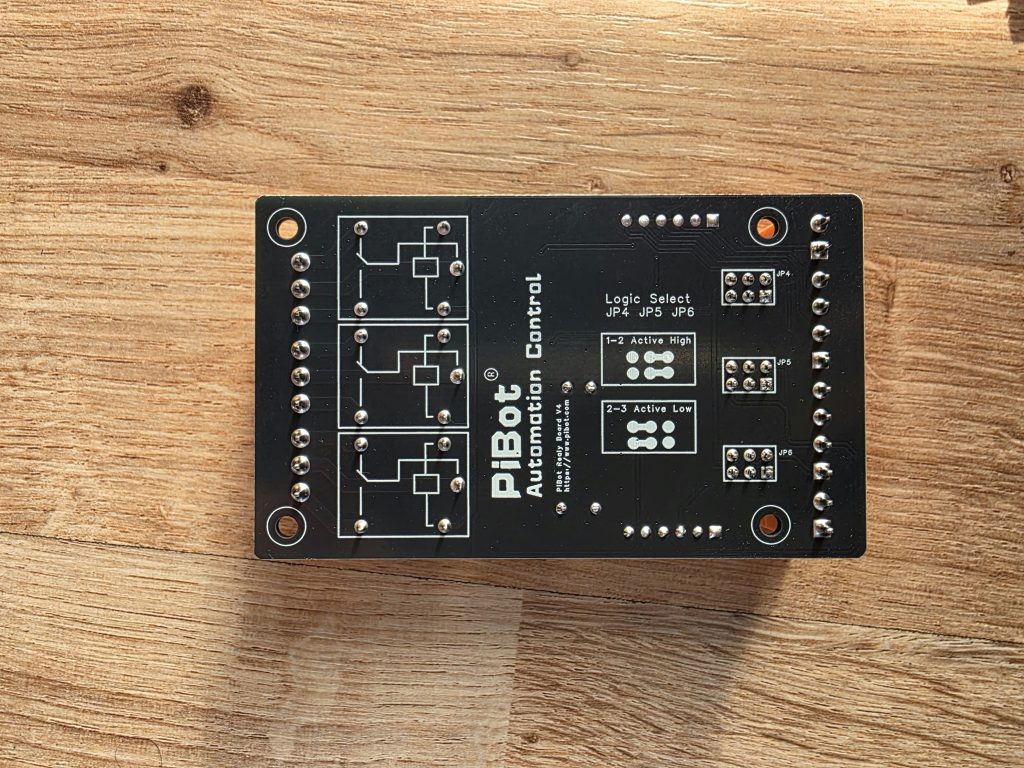
Achieving consistent, repeatable homing cycles on a rigid metalworking machine requires eliminating the pitfalls of mechanical microswitches:
- Optical Sensing Principle: Non-contact optical slot sensors ensure pinpoint trigger repeatability without contact bounce, mechanical wear, or fatigue over time.
- IsoSwitch Circuitry: Each sensor board integrates dedicated optical isolation, protecting sensitive logic pins from interference that could be picked up along long cable runs inside energy chains.
- Visual Status Feedback: Onboard LED indicators provide immediate visual confirmation of sensor states directly at the machine axis.
🔗 Hardware Details & Specs: Check out PiBot IsoSwitch V4 on PiBot Store
What’s Ahead: Upcoming Content & RapidChange ATC Automation
The PiBot electronics are safely in the workshop, and their official partner profile is already live in the Sponsors & Partners directory on our platform.
Here is what you can expect next on the blog:
- Next Up: The 100+ kg robotic vehicle build log—featuring the steel chassis in primer, a detailed component teardown, and electrical subsystem insights.
- Upcoming CNC Features: Once the robot is assembled and our shipment from RapidChange ATC arrives, I will publish an extensive guide detailing automated tool changing routines, magazine installation, and ATC macro integration on our spindle.
Stay tuned—precision machining and chip-making are just around the corner!